We might know inflammation as redness around our mosquito bites or when our knee hurts and becomes red and swollen if we hit it.
But there is so much more to learn about it and that is our topic here today here.
Research Highlights
What Is Inflammation?
Inflammation is a natural and necessary reaction from the immune system, developed for the purpose of maintaining tissue and organ homeostasis.
To make it more understandable, we can say that it is an immune response to some kind of problem or external stimuli in the body. It plays an important role in the body’s healing process and is completely natural to occur. For example, a fever lets you know that your body’s immune system is working right when you’re sick.
Here is a more in-depth description of how it happens. (1)
Inflammation begins when harmful substances like chemicals, viruses, or bacteria come into contact with the body or if there is a tissue injury. Certain cells and receptors, such as nociceptors and pattern recognition receptors, detect these triggers. These receptors set off a complicated chain of signals known as inflammatory markers, such as histamine, prostaglandins, leukotrienes, and cytokines.
This mediator not only releases the above-mentioned markers but also acts as a chemoattractant and draws immune cells such as neutrophils, monocytes, and lymphocytes to the inflamed area. As a result, immune cells make more cytokines and chemokines. These cells are the main reason why we see redness and warmth at the site where it all is happening.
One of the first noticeable changes is vasodilation, the widening of blood vessels, leading to increased blood flow. Along with this, some redness and warmth can also be felt. Also, the walls of the blood vessels become more permeable, which lets fluids leak into the tissues around them and make them swell. The area is painful, sore, and very sensitive because of the increased blood flow, fluid buildup, and immune cell activity. Pain can also be felt directly by pain receptors
Types of Inflammation
The main goal of the inflammatory response is to bring the body back to its pre-inflamed position. However, not every type of inflammation is equal. The following are the two types,
Acute Inflammation
An acute type of inflammation is a quick response in which the body reacts to some sort of external stimulus. This type of inflammation has a proactive purpose, occurs immediately after infection or injury, and can last up to a few days, depending upon the condition.
Your immune system uses this inflammatory response to combat infections and aid in the healing process. Any virus, such as the common cold or the flu, can be treated in the same way. It is also subjected to specific parts of the body.
Some common medical issues that might bring in sudden inflammation include:
- Skin cuts and scratches
- Small skin changes like an ingrown toenail
- Physical trauma
- Sore throat or flu
- Dermatitis of skin infection
Chronic Inflammation
Chronic inflammation, on the other hand, happens when the body keeps sensing a threat and keeping its inflammatory response going for a long time. It could be weeks, months, or even years. Chronic inflammation keeps us on high alert all the time and the immune system continues to release white blood cells and chemical mediators that aggravate the condition. It can have periods of remission and reoccurrence.
This type of inflammatory response is considered a bad side. It has also been related to causing diseases or making them worse, like heart and circulation diseases. Many pieces of research have claimed that it has been linked to a number of diseases, including heart disease, diabetes, cancer, arthritis, and gut diseases such as Crohn’s disease and ulcerative colitis.
Inflammation becomes a problem when it cannot tur itself “off”
There is a huge difference between the symptoms of chronic and acute and they can be seen as
- Stomach pain
- Frequent infections
- Muscle and joint pain
- Fever
- A skin rash
- Mouth sore
- Frequent infections
- Depression, anxiety, or other mood disorders
- Insomnia
- Weight gain or weight loss
All these symptoms can occur differently in different people. For example, people with rheumatoid arthritis will have joint pain, swelling, stiffness, and fatigue. People with IBS can experience weight loss, blood in the stool, stomach discomfort, and chronic diarrhoea.
- Inflammatory arthritic conditions like rheumatoid arthritis, lupus, and psoriatic arthritis.
- Asthma
- Eczema
- Irritable bowel syndrome
Here is a simpler explanation of acute vs. chronic inflammation:
| Characteristic | Acute Inflammation | Chronic Inflammation |
|---|---|---|
| What causes it? | Things that can harm the body, like germs or injuries. | Longer-lasting problems the body can’t get rid of, like some viruses, foreign objects, or overactive immune responses. |
| How fast does it start? | Quickly. | Slowly. |
| How long does it last? | A few days. | Months or years. |
| What happens? | The inflammation goes away, or an abscess (pocket of pus) forms or becomes chronic. | Tissue can die, thicken, or become scarred. |
Signs of Inflammation

There are a few obvious signs of inflammation that are recognised medically.
1. Redness
It is one of the first signs that gets noticed. It could look red, flushed, or pink as the blood vessels expand to deliver more blood to the region. As a result, more blood is drawn to the injury site, which makes it look red in colour.
2. Warmth
Along with redness, another cardinal sign is that the inflamed area feels warm to the touch. The reason for this is that the inflammatory spot receives more heated blood due to the increased blood flow and the body is attempting to fix something in that area.
3. Swelling
As the inflammatory reaction goes on, fluid begins to leak from the blood vessels and build up in the tissues around them. This makes the injured or inflamed part look bigger in size and swollen.
4. Pain
Inflammation can make the nerve ends in the affected area more sensitive, which can lead to pain, soreness, and increased sensitivity.
5. Loss of Function
Inflammation can lead to impaired function of the body part that is affected. For example, when a joint is swollen, it might not move as it should, and when the lungs show symptoms of an infection, it could be difficult to breathe.
Causes Of Inflammation
As a first step in reducing inflammation, identifying its cause is essential. It can be a possibility that your inflammation is the result of a combination of distinct factors. Such as,
- Stress: Prolonged stress can cause an overactive immune system and excessive inflammation. Without correct management, this can cause chronic inflammation and other health issues.
- Lack of physical activity
- Obesity: Excess weight, especially around the abdomen, is linked to higher C-reactive protein levels. These protein levels play a major role in increasing inflammation.
- Alcohol addiction
- Smoking
- Unhealthy diet
- Smoking
- Unhealthy gut microbiota
- Poor sleeping: Lack of sleep has been linked with inflammation increase in the body. Body
- Exposure to toxins in air and chemicals
How to Diagnose Inflammation
Although it’s simple to spot certain types of inflammation, such as inflamed joints or pus surrounding a lesion. But in case of a prolonged case, your doctor may do a physical exam and question about your symptoms. They may also prescribe some tests. Such as mentioned
Blood Tests
There are certain blood tests that can show if there is something wrong in the body. But they usually do not detect the precise problem.
- Erythrocyte sedimentation rate (ESR): This is the test used to measure how quickly the blood cells settle down at the bottom of the tube. In case of an inflammatory environment, the RBCs swell and settle down more quickly than normal, which can pinpoint inflammation.
- C-reactive protein (CRP) test: It is a protein made by the liver, and its inflamed marker shows that something is wrong inside the body, which can be used as an inflammatory indicator.
- Serum protein electrophoresis (SPEP): It is relatively a new method to indicate chronic inflammation in the body. When these proteins are either too abundant or underexpressed, it might indicate inflammation or other health issues.
Imaging Tests

Sometimes, imaging examinations might be employed to search for certain injuries or inside issues that can induce inflammatory responses. To rule out potential internal inflammatory triggers, your doctor can request these imaging tests:
- MRI
- PET Scan
- Ultrasound with doppler
There is no single test that can only locate any kind of internal inflammation in the body. However, there are certain other tests that help health professionals make a better diagnosis. Such example, a physician may request an imaging test to examine specific areas of your body in accordance with your symptoms. MRIs and X-rays are frequently implemented in these cases.
Can We Reduce Acute Inflammation?
The treatment of inflammation may be dependent upon the underlying cause.
Treating or cooling down an acute inflammation isn’t usually a big deal. There are many simpler ways to deal with it,
- Resting the inflamed part of the body
- Putting an ice pack on the inflamed area
- Performing gentle movements in the affected part
- In the case of cuts, keep them sterilised and clean.
But in the case of chronic type, you must consult with the healthcare provider.
Medications
For general and acute inflammation the health care provider may prescribe any of these medications.
- NSAIDs: Medications, especially Non-steroidal anti-inflammatory drugs, are usually the first choice in relieving short-term pain and inflammation. Though some of these medications may need a doctor’s prescription, the majority of them are available without. Common NSAIDs include, aspirin, ibuprofen, naproxen and diclofenac
- Corticosteroids: Their mechanism of action is to reduce the reaction of the immune system and reduce swelling. You may get them in many different forms, like pills, Injection (intramuscular, intravenous or intra-articular), Lotions, gels or creams (topical steroids, Nasal sprays and inhalers.
People are only given these drugs for a short time because they can have very adverse reactions.
- Antibiotics: These medications are the best course of action when inflammation is diagnosed to be due to bacterial infection. The use and course of treatment are best suggested by the doctor.
- Topical Analgesics: Pain relievers that are applied on the top of the skin are called topical analgesics. They can alleviate acute and chronic pain and inflammation in the skin and joints, without the adverse effects of ingested treatments.
- Supplements: Supplements with anti-inflammatory and repair-promoting properties include zinc, certain vitamins, and omega-3 fatty acids, which are good for reducing inflammatory response. But before starting any new supplement, it is important to consult your healthcare physician.
Resting
The best thing you can do is to give your body a rest. It is because time and energy are required for the body to recover when it is experiencing acute inflammation. So, aim for 7-9 hours of high-quality sleep per night, making rest a priority. Refrain from engaging in strenuous exercise and allow your body to recuperate. Learn more about the benefits of good quality sleep here.
Get Proper Diet
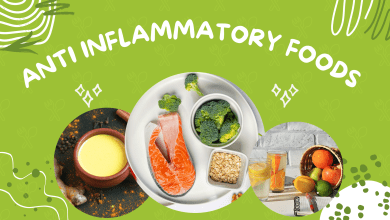
To rescue the inflammation from the body, concentrate on whole foods that are anti-inflammatory, such as oily fish, leafy vegetables, berries, and almonds. Reduce your consumption of fried, processed, and sugary foods, as they have the potential to exacerbate inflammation. Maintaining proper hydration is equally important. To learn more about an anti-inflammatory diet and reduce chronic inflammation, please read the article here.
Manage Stress
Chronic stress can further increase the inflammatory response the body is dealing with. So, practice stress-reducing activities, such as moderate yoga, deep breathing, or meditation. By engaging in these calming practices, your body can transition into a more parasympathetic, anti-inflammatory state.
We have a detailed guide about what are the best anti-inflammatory foods. clock to learn here.
Using Cold Therapy
Cold therapy is one of the most quick and effective methods for reducing acute inflammation. The inflammatory response is slowed by the constricting effect of cold temperatures on blood vessels. Attempt to apply a cold compress or ice pack to the affected area for 15-20 minutes on a daily basis. This has the potential to reduce edema and discomfort.
It is important to get expert help when dealing with inflammation, particularly if it is impacting internal organs. So, in your fight against inflammation and for an improved quality of life, don’t be shy about asking for help when you need it.