It is said that Budha achieved enlightenment during meditation under the Bodhi tree, starting a tradition that has fascinated people for generations. But now, people from all walks of life, including those seeking enlightenment and those working in fast-paced environments, practice meditation today. Its popularity is due to its numerous benefits for mental, spiritual, and physical health. But actually, meditation is, and how can we have its benefits?
Research Highlights
What is Meditation?
Meditation is basically a type of mind-body practice. According to the National Center for Complementary and Integrative Health, it aims to elicit a deep state of relaxation and calmness, which in turn helps manage stress, pain, and other health issues and ultimately results in better overall health and quality of life.
In simpler words, meditation is bringing your attention back to the present moment and getting in touch with your true self. All it requires is to be still most of the time and focus on your breath, a word, or a thought. It has been practiced for thousands of years to cultivate a deeper understanding of the here and now.
Meditation has a big effect on our thoughts, which in turn has an impact on how we feel and behave. It is a great way to change how our brains work. Neurons in the brain transmit signals to one another whenever you think about anything. The more concentrated your thoughts are, the more this link will reinforce those parts of your brain. It’s like lifting weights for a bodybuilder: the more you think positively, the more resilient your brain gets in its ability to let you experience compassion and tranquillity.
Mental Benefits of Meditation
There is growing evidence that regular meditation can positively affect health and well-being, ultimately leading to an enhanced quality of life.
1. Reduces Stress and Anxiety
We all know that stress has many negative effects, including an increase in cortisol levels. There is also evidence that meditation can help us manage the way our bodies react to stress. Results of brain scans show that regular meditators had lower cortisol levels, which may account for their increased resilience and heightened sensitivity.
According to research that was published in Clinical Psychology, mindfulness-based therapies can significantly improve mental health, particularly in the area of stress management. It slows racing thoughts, regulates breathing, and soothes the nervous system to reduce anxiety. Another interesting study found that those with anxiety who meditated regularly for three years enjoyed long-term mental health advantages.
Another study found that after only 10 days of regular meditation, participants’ irritability and aggression decreased by 27%.
2. Better Emotional Health and well-being
When we meditate, we get insight into our mental state and become mindful of the thoughts that underpin our present feelings and behaviors. It has also been proven that meditating is a great way to boost self-esteem and respect. For instance, mindfulness alleviates depressive symptoms in a study involving more than 3,500 adults. In another review of 18 studies, researchers found that those who participated in meditation therapy had fewer depressive symptoms than those in the control group.
3. Enhances Memory and Focus
Although meditation is most commonly practiced to reduce emotional strain, it also enhances neural connectivity inside the brain. One study proved that meditators’ brains generate more grey matter, which is essential for healthy emotions and mental function. The same study proved that 30-minute meditation led to an increase in grey matter development.
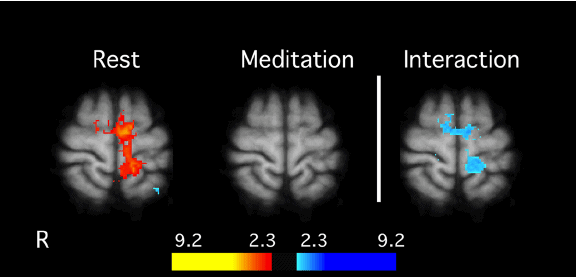
There’s some evidence that meditating can change the brain’s activity in ways that reduce daydreaming, anxiety, and inattention. When we meditate, we naturally develop a heightened sense of self-awareness and enter a level of consciousness known as “flow.” Infact, just eight weeks of mindful mindfulness practice has been shown to improve focus and attention. And the subjects who meditated frequently outperformed individuals who had never meditated on a visual task, and their attention spans were significantly longer.
It can also help people with dementia remember things better and help those with typical age-related memory decline. Caregivers of people with dementia may also find it helpful for stress management and coping.
3. More Creativity
Leiden University in the Netherlands conducted an intriguing study on the effects of meditation on creativity. Researchers found that individuals who regularly practised focused attention meditation didn’t show significant improvement compared to a control group. However, the results were quite different for those who engaged in open-monitoring meditation. People who practiced open-monitoring meditation did better on tasks that needed them to come up with new thoughts.
4. Helps with Post Partum Depression
Meditation can be a powerful ally for women with pre and postpartum depression, too. Research has shown that the benefits of meditating in pre- and postpartum are found to be comparable to those of antidepressant medications.
Women who recently gave birth are sensitive to postpartum depression, and studies indicate that yoga and meditation can provide substantial relief. One notable study found that mindfulness training during pregnancy has been shown to lessen the likelihood of developing postpartum depression by about 90% in the first 18 months after giving birth.
5. Great for Managing Addiction
The amazing side effect of meditating is that it may be used to break even the most ingrained habits of addiction. One amazing effect is that it can help people feel calm and present, which helps individuals manage stress and triggers that could lead to relapse.
- There is evidence that regular meditation practice improves mental health and decreases reliance on drug use to manage stressful or distressing emotions.
- As per another research, mindfulness can be especially useful for quitting smoking. The researchers think meditation might help with both addiction treatment and prevention.
- A 2017 review of mindfulness-based relapse prevention reviewed 9 research pieces that proved that it reduced alcohol cravings and withdrawal symptoms.
- It can reduce food cravings as well. A meta-analysis of 14 research indicated that practicing mindfulness reduced emotional and binge eating in individuals.
Physical Benefits on Health
In addition to the mental, emotional, and cognitive benefits, meditating regularly may also improve your physical health. Since the positive effects of meditation on one’s body are sometimes overshadowed by the practice’s more well-publicized psychological and spiritual advantages, many are mentioned below.
6. Reduction in Pain
There’s some evidence that meditating regularly can help you manage pain more effectively. A recent study by the University of Montreal discovered that regular meditation enhances tolerance to physical pain. In an experiment, both Buddhist masters and 13 other participants were exposed to extreme body heat for the same duration. But remarkably, the Zen masters reported far less pain than the other individuals. Some other meta-analyses involving 3,500 participants also found that meditation reduces pain. It has been particularly beneficial for those suffering from lung and breast cancer, helping them cope with symptoms like pain, anxiety, low self-esteem, and fatigue.
In addition, meditating helped those with chronic pain lower their discomfort by as much as 42 %, leading to enhanced quality of life metrics, including sleep, disposition, and physical activity. In another research, active meditators reported 32% less pain intensity and 33% less pain unpleasantness compared to those who weren’t meditating.
7. Can Manage IBS Symptoms
Although the causes of irritable bowel syndrome (IBS) are poorly understood, a stress reaction contributes, and practicing a relaxation response may help. Including meditation in your treatment plan for irritable bowel syndrome (IBS) can have positive effects, and it helps your body absorb and use nutrients better. Research on women with severe IBS symptoms indicated that daily mindful meditation for two months greatly reduced symptoms.
8. Better Heart Health
Heart health is one of the most important health benefits of meditation. 12 research with nearly 1000 people found that mindfulness lowered blood pressure. This worked better for older, higher-blood-pressure individuals. When combined with other healthy lifestyle behaviors, including a nutritious diet and regular exercise, meditation may effectively lower high blood pressure.
9. Good Night’s Sleep
A good night’s sleep is within reach, thanks to meditation, and it comes without the risk of dependency associated with prescription sleep aids. Scientific evidence shows that it can help people get to sleep and have better quality sleep. (1) (2) Particularly beneficial for those with chronic insomnia and older adults, mindfulness meditation has enhanced sleep quality and decreased daytime disturbance.
There are many other methods to support a night of good sleep. Check those tips in this article.
Anti-Aging Benefits
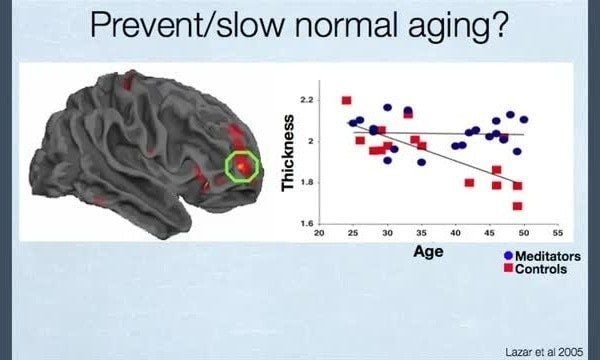
For a long time, it was believed that once our brain develops, then we are just destined to decline in brain function gradually. However, recent studies have shown a different picture here. It says that our brain is adaptable and capable of growth at any age. Even research says that meditation when practiced frequently over several years, may reduce the progression of age-related brain atrophy.
Who Should Meditate?
Given the breadth of its benefits, meditation is something everyone can stand to incorporate into their lives. But it can be especially beneficial for people with,
- People suffering from chronic stress. It has been found that people suffering from chronic stress can ave benefit from meditating on a larger scale.
- Insomniacs. Meditation is clinically important for treating sleep disorders as it has been proven to help moderately sleep-disordered people minimize insomnia and depression.
- Students. Multiple studies have found that when students commit to practicing regularly (at least once or twice a day), they boost their health, satisfaction, and academic success. (1)(2) (3)
- Drug Abusers. As already mentioned, people addicted to different types of drugs and even foods can find benefits from meditating. Recovering addicts have been shown to benefit from meditating. (1)
Someone new to meditation may feel overwhelmed by the practice. Fortunately, once you’ve mastered the basics, it can be done whenever and wherever you like.
Are There Any Risks Associated With Meditation?
Recent research, which compiles findings from the last 40 years of research on meditation and mindfulness-based therapies, suggests that these practices can also bring about negative effects in about 8% of people, ranging from heightened anxiety, depression, and stress to bizarre experiences like hallucinations.
It’s not likely that meditation will “wrack” the brain in the same way that drug abuse or high mental stress can, but it’s still important to be aware when you do it. If you use the wrong methods or practice too hard without help, it could hurt your mental health, especially if you already have a mental health problem.
So, even if there are risks associated with practicing meditation regularly, there is no denying that it has aided and healed many people in the past.
How To Perform Meditation

There is no one correct way to meditate. Researchers have looked at different types of meditation and found that some things happen in all of them. And keeping them all in mind, here is a step-by-step guide for you to begin with.
- Choose a Quiet Spot: The best is to pick a place that is quiet to keep distractions to a minimum. This will help you concentrate better. Make sure the temperature is just right and that you’re relaxed where you are.
- Finding a Comfortable Position: You can sit on a chair, a cushion, the floor, or your back if that feels better. Now put your hands on your knees, in your lap.
- Close Eyes: Then either close your eyes or look down. Closing the eyes usually works for many people as it also blocks unnecessary gaze. If not, then you can also keep your eyes open a little and focus on something in front of you.
- Focus on Breath: Now start breathing deeply and keep your al focus on breathing. Feel your breath as it comes in and goes out of your body. Pay attention to how it feels in your nose, chest, and belly. There will be times when you have thoughts while you meditate. Just note them or gently redirect them back to your breath.
- Set Timer: Begin with just 1-5 minutes and then gradually follow the longer period. If you’ve never meditated before, you might want to start with 5 to 10 minutes. You can eventually make the time longer as you get used to it.
- End the Session: When the timer goes off, take a moment and judge how you feel. Bring your attention back to your surroundings slowly. If your eyes were closed, slowly open them and wait a moment before getting up.
- Practice Regularly: Finally, try to meditate every day at the same time to get into a routine. It only takes a few minutes a day to make a big change. Feel free to try different kinds of meditation, like guided meditations, mindfulness practices, or practices that help you be more loving.
How Much To Do?
As the practice of meditation becomes increasingly prominent, some individuals are incorporating it into their daily lives. But how much do you do to reap the benefits? Well, some research supports the time of meditation practice. According to a study, the optimal time to meditate daily is 13 minutes. Dr. Andrew Huberman mentions in his recent podcasts that even meditating for 11 minutes gives the desired results and is backed by research.
Does this imply that we should all make time to meditate daily for ten to twelve minutes? Yes, however, it seems that some of the benefits of meditation start to take effect after about 10 minutes. For many people, this length of time is both effective and doable, making it a reasonable commitment for those who want to make meditation a part of their daily life. That being said, as you get better at meditation and feel more at ease with it, you can slowly extend your practice to get even more benefits.
Summing it Up
Scientific research supports the numerous health advantages of meditating. The various studies researchers have done and published reveal beyond question that meditation routinely helps. A meditator’s body and mind undergo transformations and enhancements. So, why not try a meditation program to rewire your brain and enjoy reaping the benefits?